Personal training. Built around you.
Personal training should be personal.
Your programme should reflect your goals, training experience, movement capabilities, preferences and any relevant limitations rather than forcing you into a standard template.
We use Fundamental Movement Patterns as the basis for training and apply General Physical Preparation principles to give it structure and direction. The aim is to build physical capability and progress training according to what you need, rather than simply following a preset sequence.
Who we work with
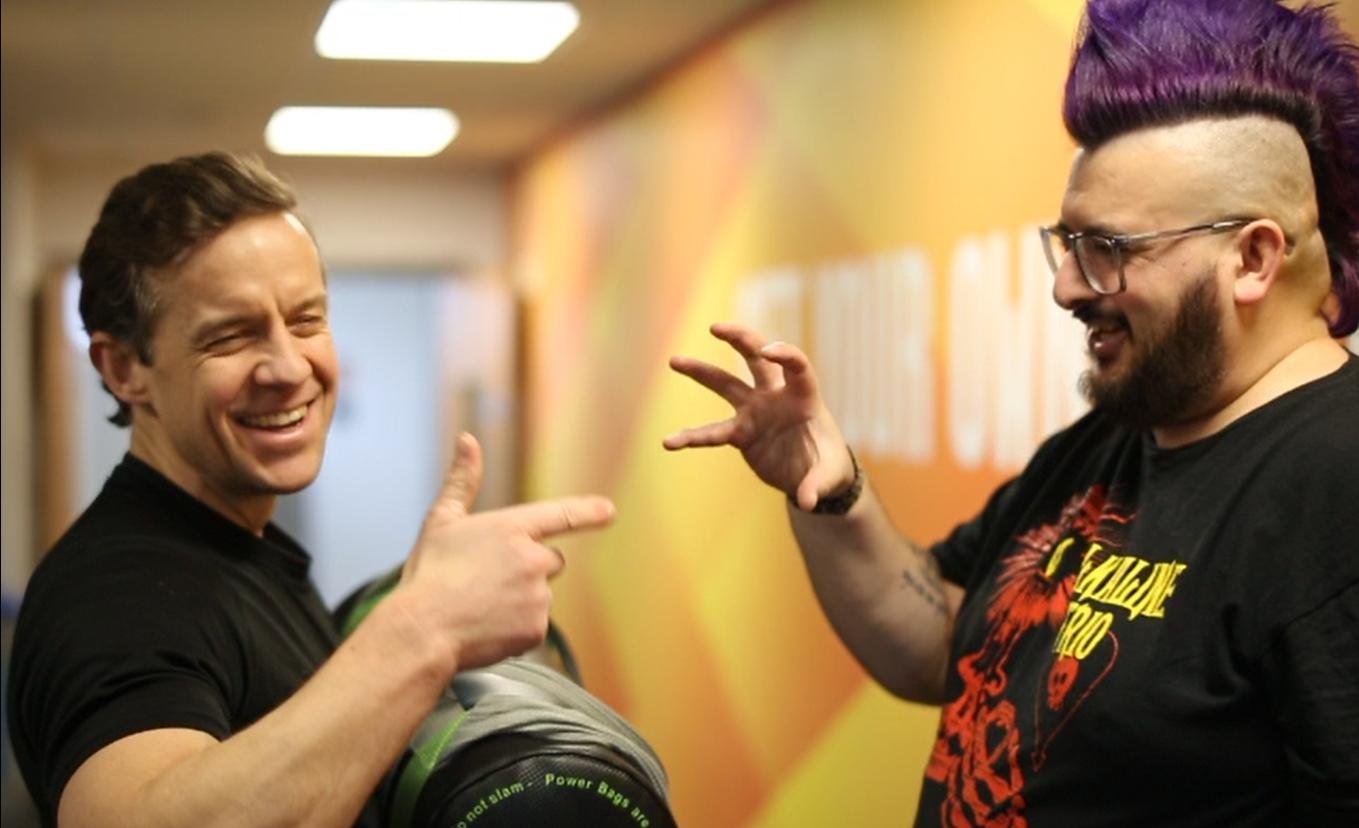
People come to Personal Training for very different reasons. Some want to become stronger, fitter and healthier for everyday life. Others already train regularly but want an experienced pair of eyes on their lifting technique, exercise selection or programming.
Personal Training may be useful if you want to:
- become stronger, fitter and more physically capable for everyday life;
- learn, improve or clean up your lifting technique and build confidence in the gym;
- return to structured exercise after physiotherapy, rehabilitation or medical treatment once you have been appropriately discharged or cleared to train;
- exercise appropriately while managing a long-term health condition where training is suitable and any necessary medical guidance has been obtained;
- prepare for a sport, event or other physical challenge.
The goal does not have to be extreme and you do not need to be an athlete. Sometimes the objective is simply to move better, build strength, improve fitness and feel more confident in what your body can do. Whatever the starting point, and whatever the goal, the principle is always the same: training is individualised to the person standing in front of us.
How we coach
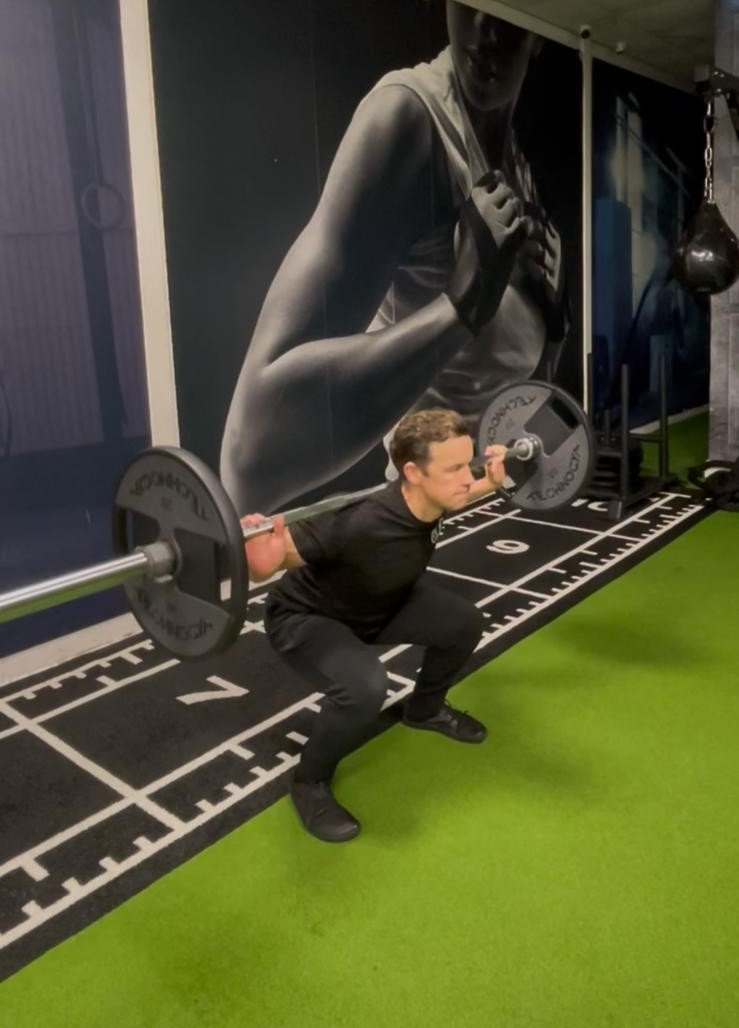
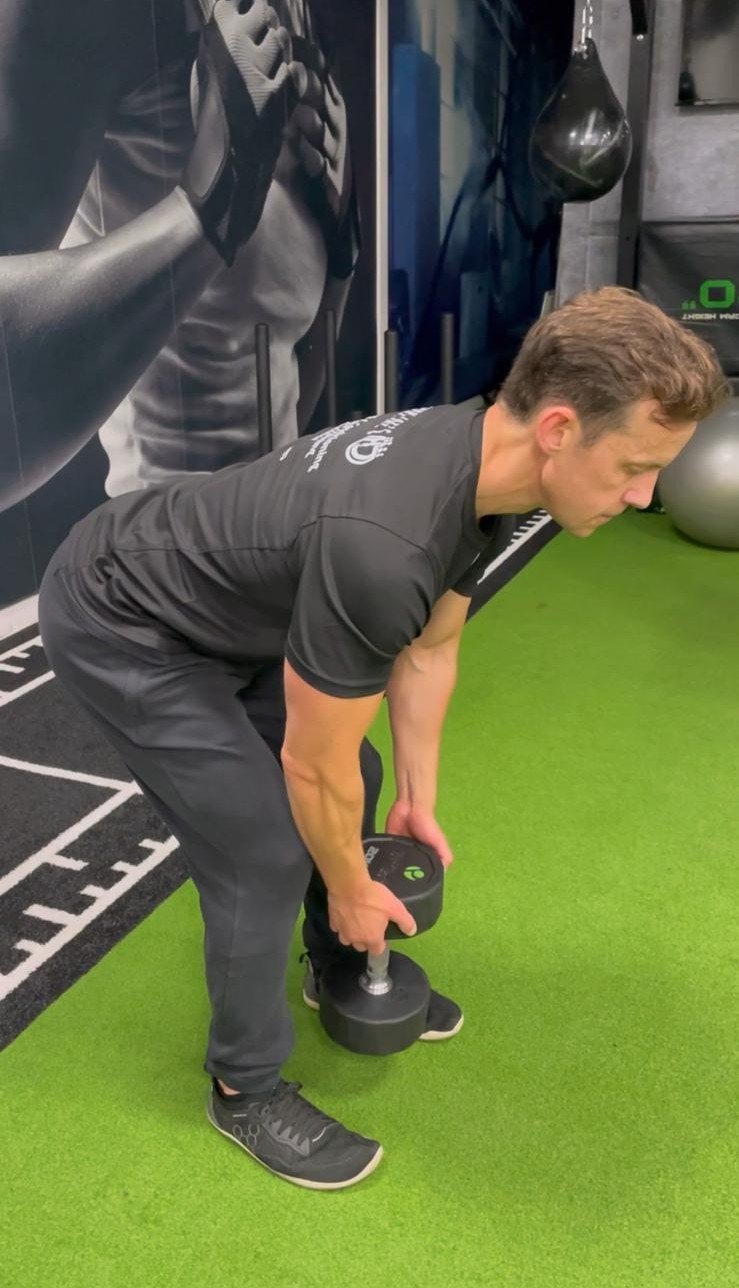
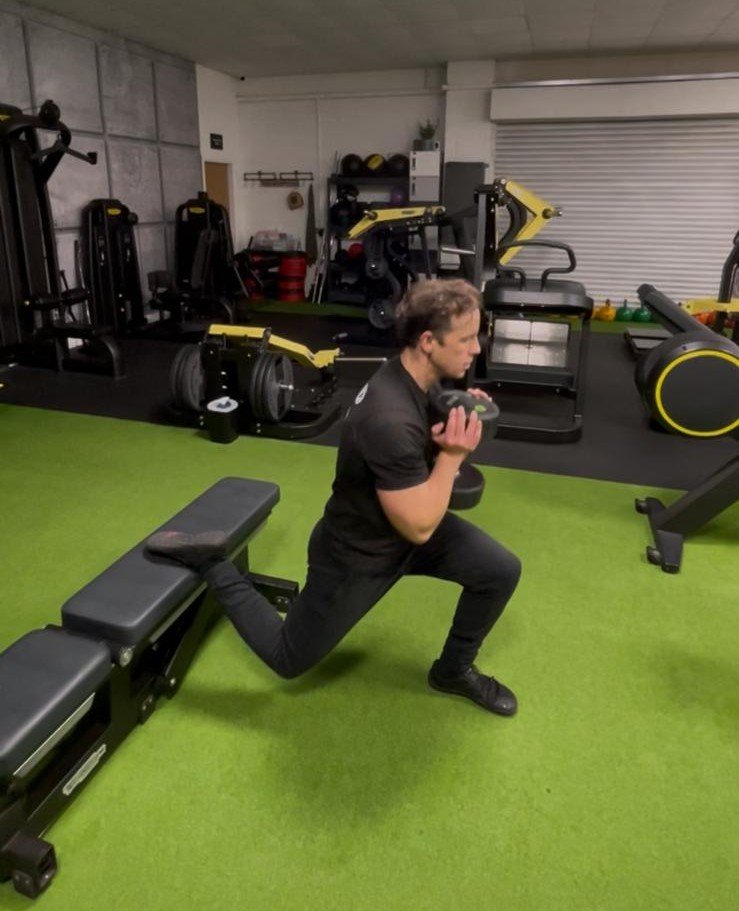
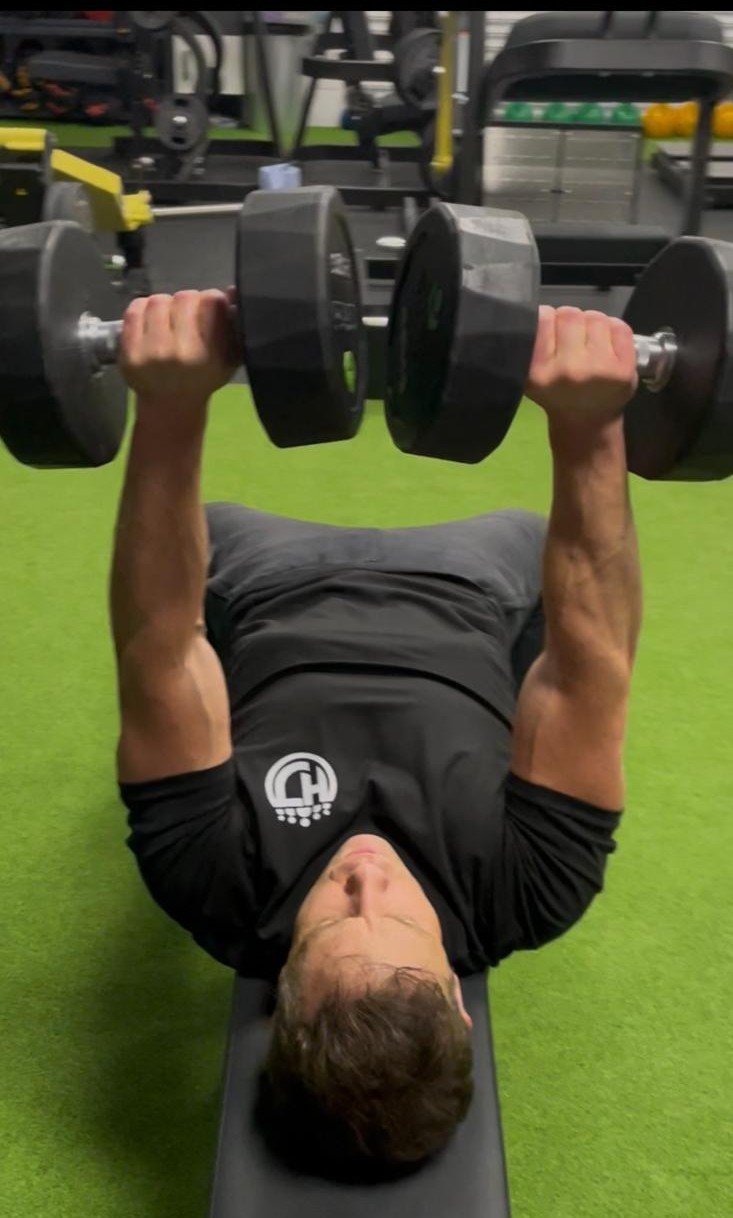
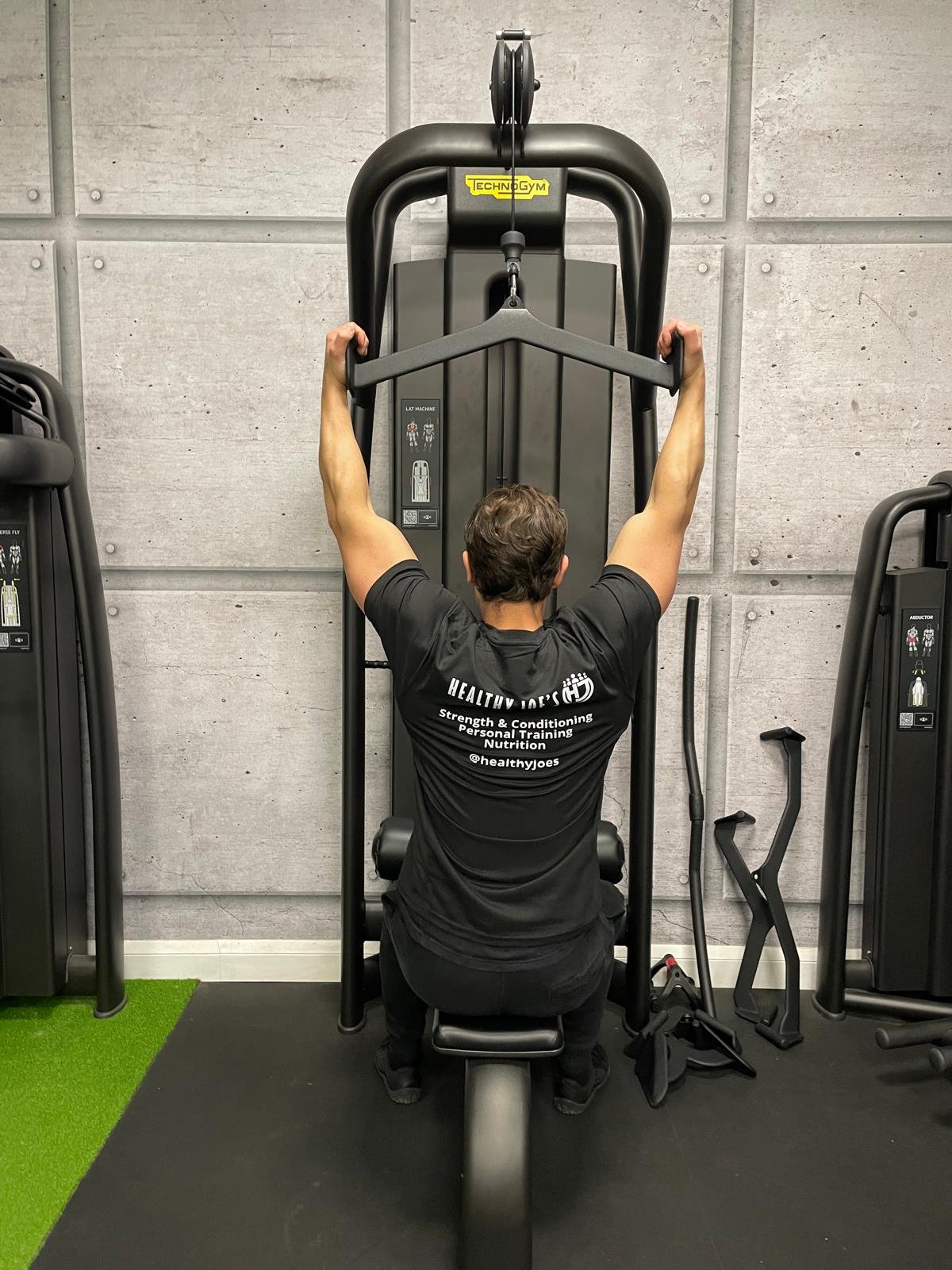
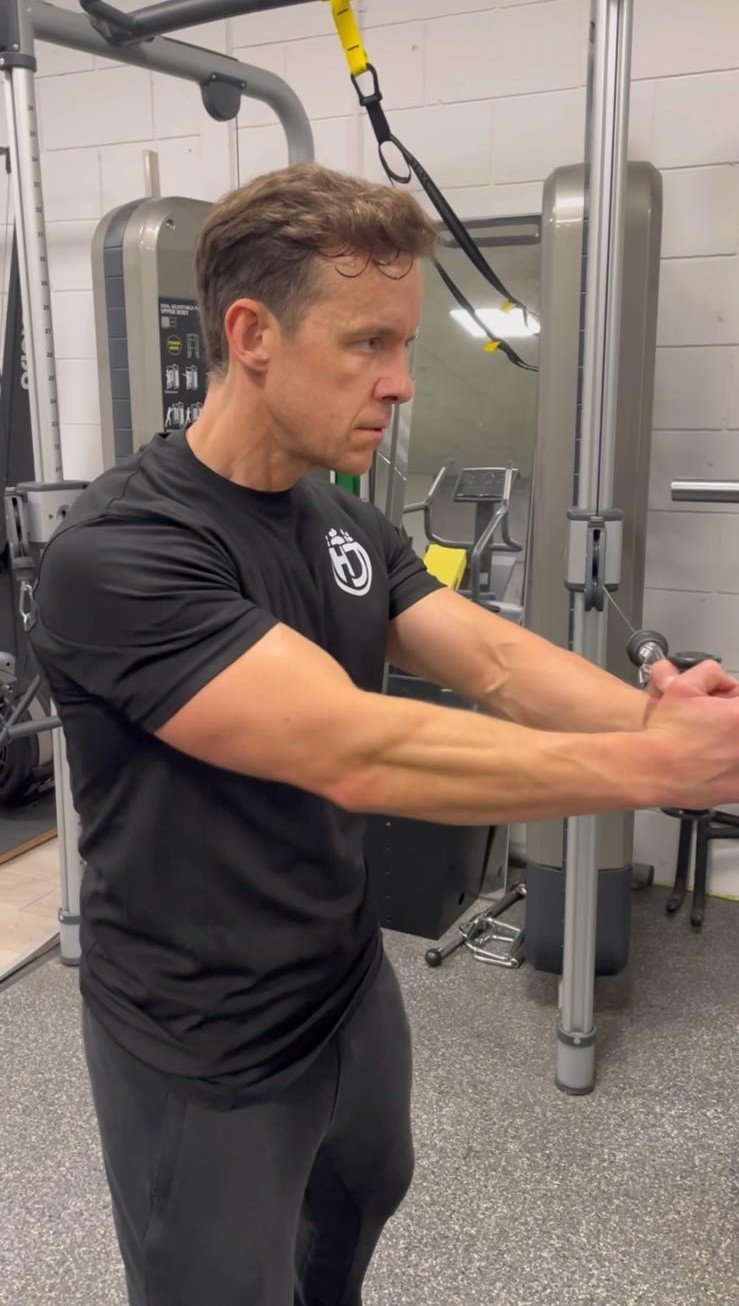
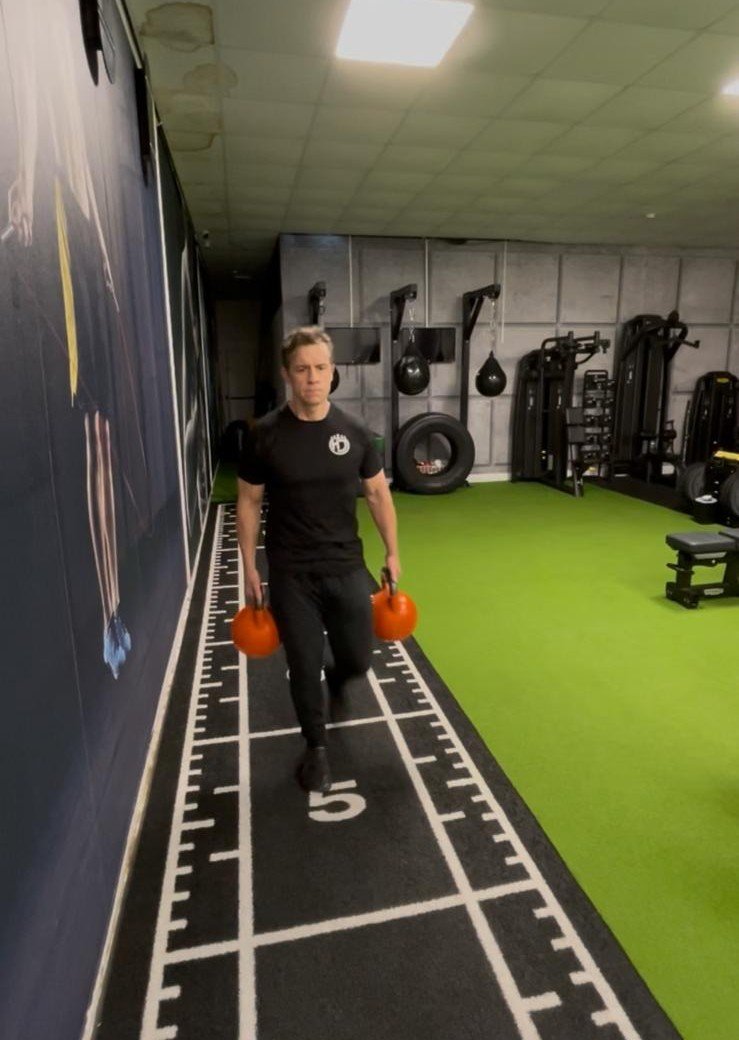
We organise training around broad Fundamental Movement Patterns such as squatting, hinging, unilateral movement, pushing, pulling, bracing/rotation and gait/carry. This gives the programme structure without forcing every person to perform the same exercises.
Fundamental Movement Patterns
Squat.
Hinge.
Unilateral.
Push.
Pull.
Brace / Rotate.
Gait / Carry.
Progress with purpose
We start by learning movement control and exercise technique, then continue to challenge the body by manipulating the load, repetitions, sets, range of motion, exercise variation, density, or speed.
Progress is based on physical readiness, not simply the passage of time.
No unnecessary complexity
Exercise does not need to be complicated to be effective. Good training requires an appropriate stimulus, consistent practice, sensible progression and enough recovery to adapt. Our job is not to make training look difficult; it is to help you understand what you are doing, why you are doing it, and how to progress appropriately.
Quality, effort and day-to-day adjustment
The aim is not to accumulate as many repetitions as possible or make every session exhausting. Training should be challenging enough to create an effective stimulus while preserving the technique, control, or intent that gives the exercise its purpose.
Sessions in a structured plan may still need to be adjusted on the day. Load, range of motion, repetitions, speed, rest or exercise selection may change according to how you are performing, your symptoms, fatigue and what the session is trying to achieve.
Strength and conditioning
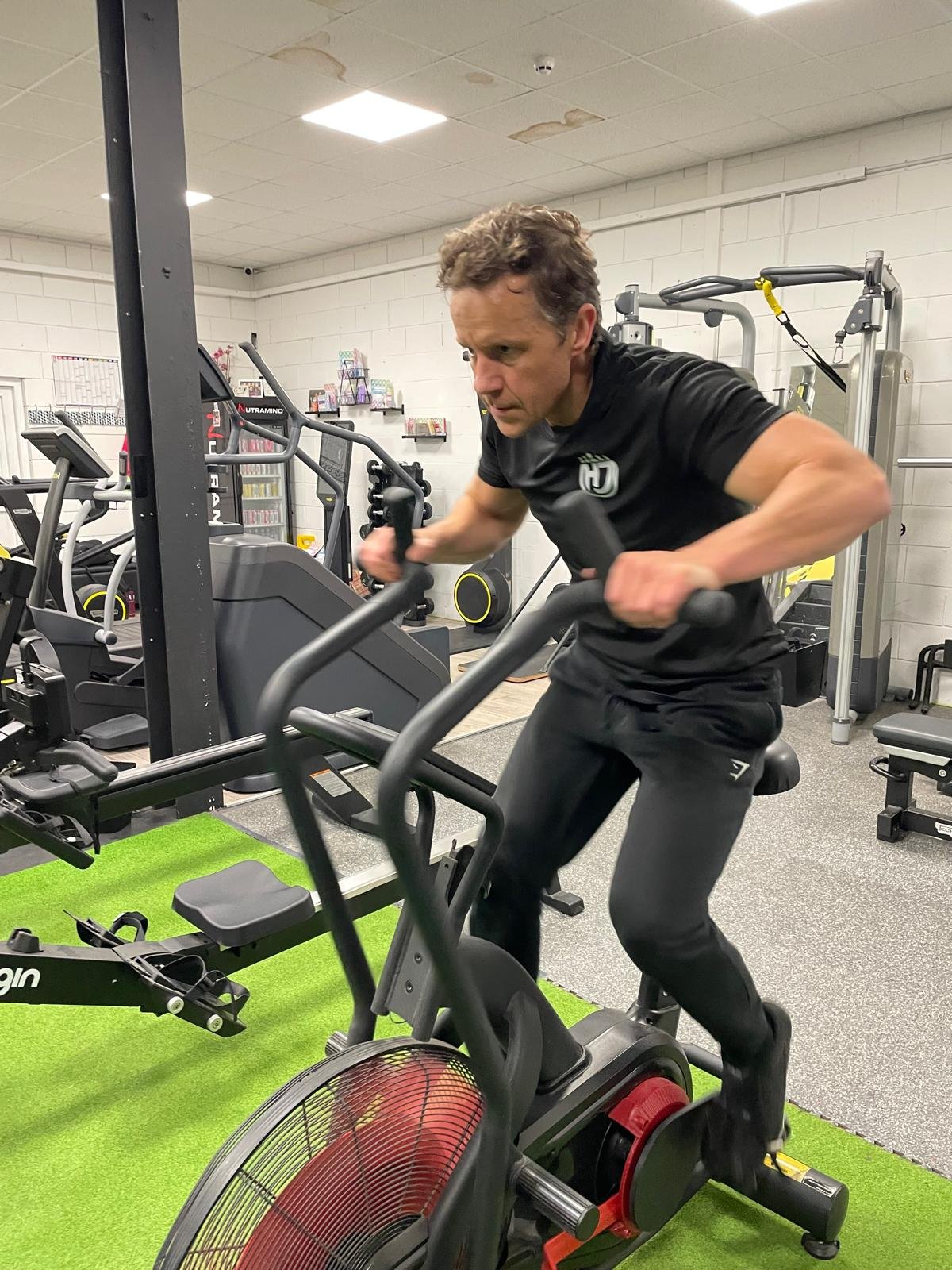
Fitness has multiple components, we combine strength work with cardiovascular training and conditioning according to the individual's goals, current fitness and needs.
Sessions must be effective and give the body enough stimulus to adapt, then allow enough recovery for that adaptation to occur. More exercise is not automatically better. The aim is to make the work productive, repeatable and sustainable.
Once the body has adapted from the initial training exposure, we must progressively overload it again to create a further stimulus. Contrary to popular belief, progressive overload does not simply mean adding more weight every week.
Stimulate. Recover. Adapt. Progress.
In-Person Personal Training
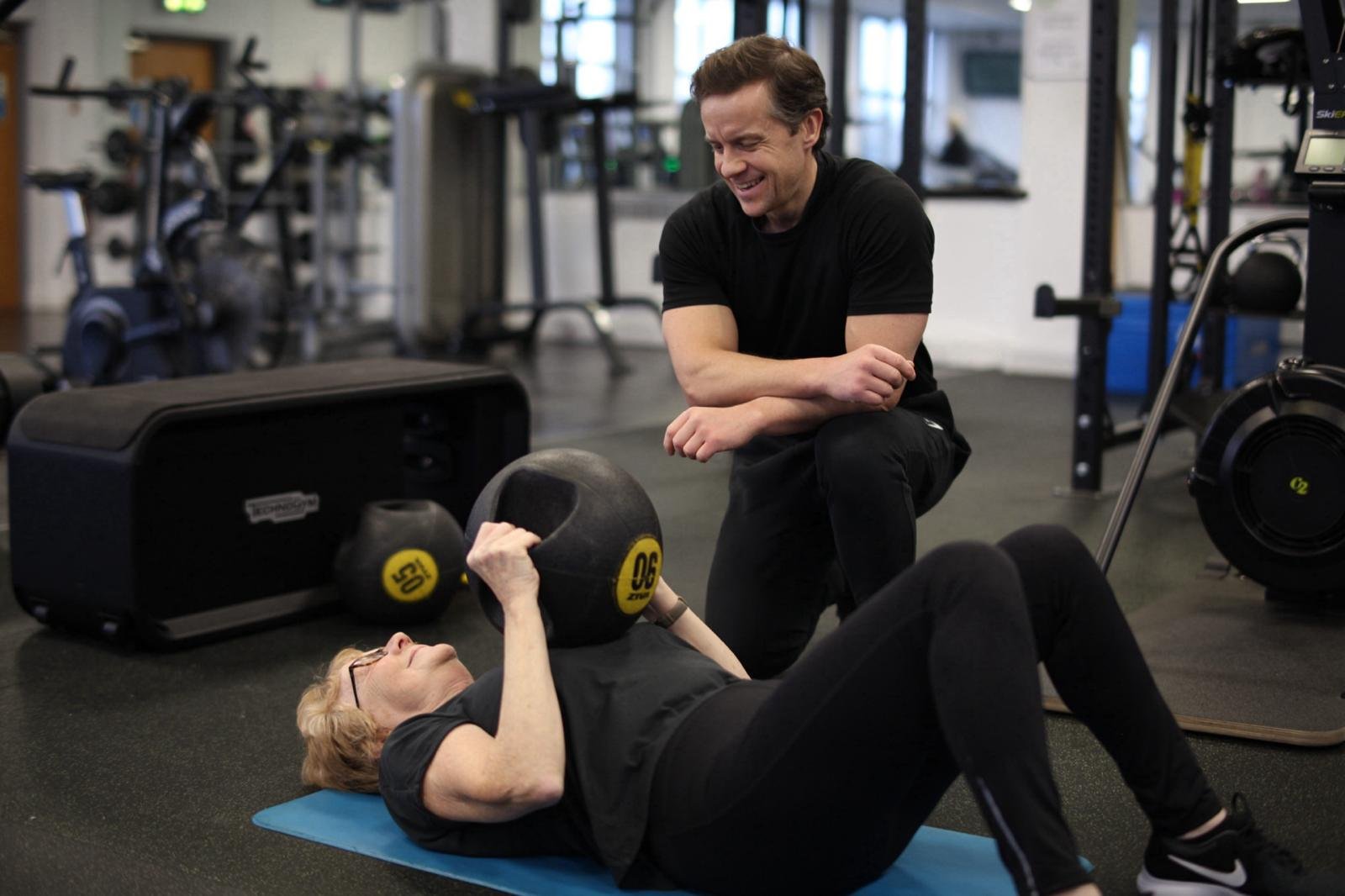
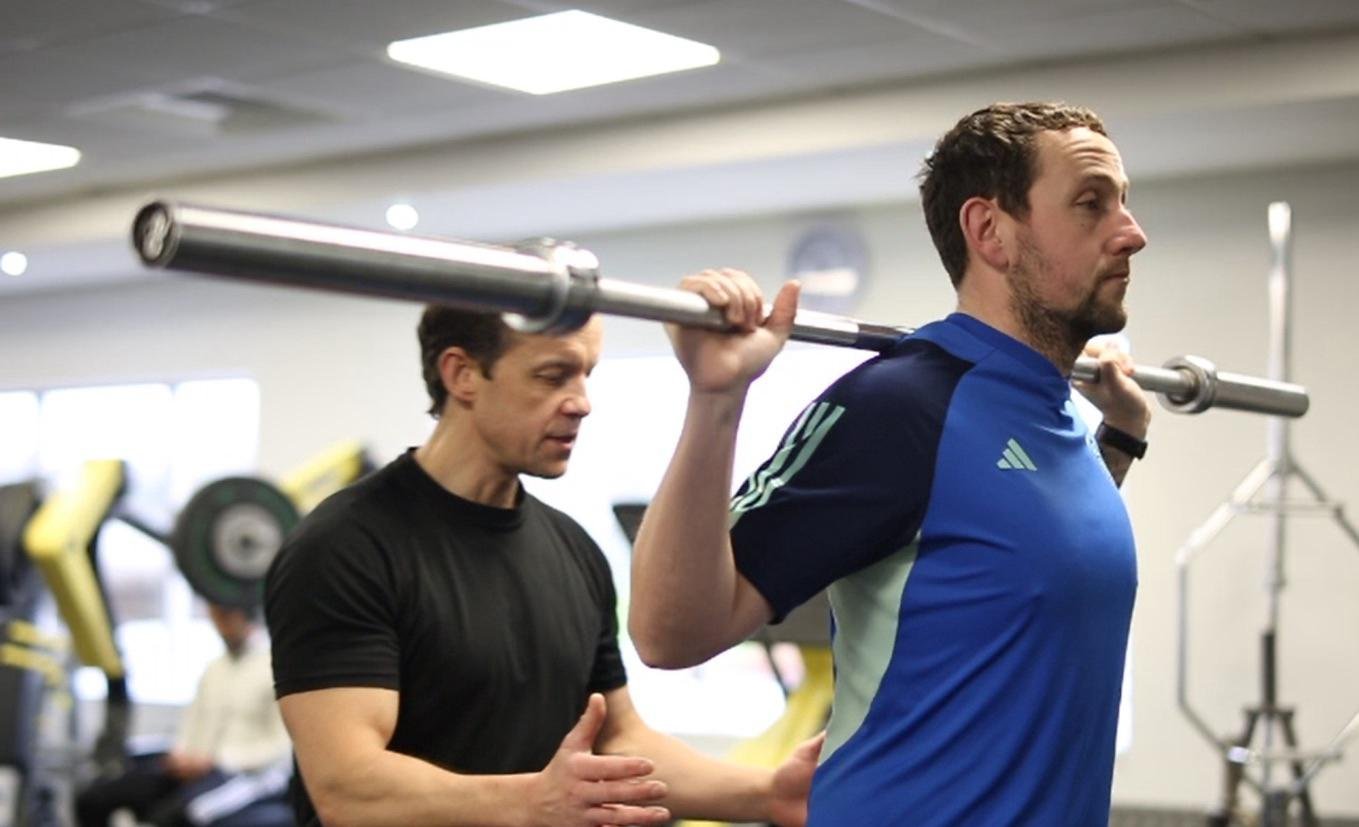
Face-to-face Personal Training allows us to coach exercise technique directly, adjust training in real time and work closely on individual goals. Sessions are planned around the person rather than around a generic predetermined workout, allowing exercises to be progressed, regressed or changed according to how you are moving and performing on the day.
Contact us about in-person trainingOnline Personal Training
Online Personal Training uses the same individualised approach but is delivered remotely. We programme around your goals, ability, available equipment and circumstances so you can train independently while still having structure and coaching.
Online Personal Training is different from The Foundations. Personal Training is individualised around you; The Foundations is a structured, self-guided health and fitness programme.
Contact us about online personal trainingBespoke Programme Design
If you are comfortable training independently but want a programme built specifically around your goals, experience, available equipment and circumstances, we can also provide one-off bespoke training programmes.
This gives you the structure of an individualised programme without ongoing Personal Training. We begin with an initial consultation of up to 30 minutes, held by Zoom, WhatsApp or another appropriate method, so we can discuss your goals, training history, available equipment and any relevant considerations. Once the programme has been created, we will arrange a second discussion of up to 30 minutes to talk it through, answer questions and make any agreed adjustments. When you are happy with the final programme, it will be supplied as a PDF by email.
Contact us about bespoke programme design